On-Chain Data Proves Bitcoin Cycle Has Changed
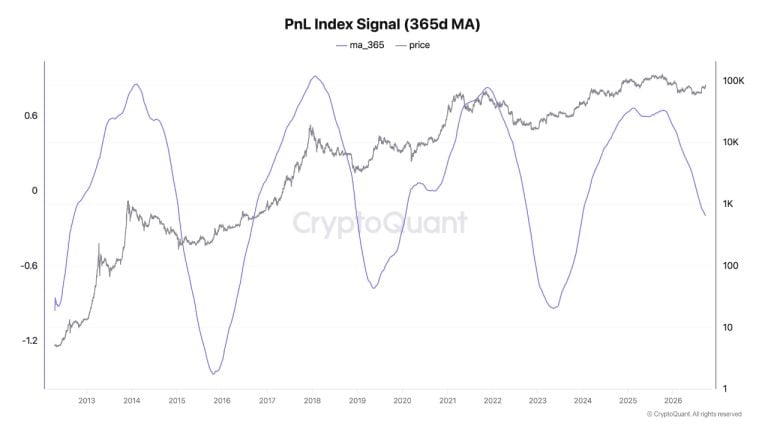
Bitcoin (BTC) is breaking from the cycle playbook that defined every prior peak. On-chain data shows the metrics that flagged earlier tops remain quiet, even with BTC above $81,000.
The MVRV Z-Score, exchange balances, and spot ETF holdings suggest a structural shift rather than a typical late-cycle phase. Retail signals remained quiet while institutional accumulation reached record levels.
Bitcoin Cycle: The MVRV Z-Score That Never Fired
The MVRV Z-Score measures the gap between Bitcoin’s market value and its realized value. Readings above 6 have historically marked cycle tops. Readings near zero have flagged accumulation phases.
Glassnode data shows the metric peaked near 3.5 in the post-halving run. That sits well below the 12, 11, and 7 readings that capped the 2013, 2017, and 2021 cycles.
Past cycles produced their tops while the Z-Score climbed into the red zone above 6. The 2017 top printed at 10. The 2021 top printed near 7. This cycle never approached either reading.
As of May 14, 2026, the Z-Score sits close to 1. The signal that flagged every previous euphoria phase has stayed silent through the entire move from the 2022 lows.

For the metric to confirm a classic top, it would need to push back above 3.5. A sustained move toward 6 would historically precede a multi-month correction.
This compression suggests realized capitalization has grown fast enough to absorb price gains. The mania divergence that defined past peaks has not appeared.
Exchange Supply Continues to Drain
The exchange balance chart shows the same structural break from a supply angle. Glassnode tracks total BTC sitting on monitored exchanges across the entire market history.
Reserves peaked above 3.3 million BTC in early 2022. They have declined steadily since, sitting near 3 million BTC in May 2026.
Meanwhile, the price climbed during that same window. Bitcoin broke through prior cycle peaks and reached $126,000 in October 2025, all while available exchange supply contracted.

A falling float alongside a rising price suggests buyers are moving coins directly into custody. The pattern matches the whale-accumulation signal from large wallet cohorts.
For this trend to flip, exchange balances would need to climb back above 3.2 million BTC. Such a move would suggest distribution from holders who have absorbed coins over the past three years.
Spot ETFs Now Hold Roughly 1.3 Million BTC
US spot Bitcoin ETFs did not exist before January 2024. Glassnode aggregated balance data shows the group now holds close to 1.3 million BTC.
That figure represents roughly 6.5 percent of the circulating supply. BlackRock’s IBIT remains the dominant fund, followed by Fidelity’s FBTC and Grayscale’s combined products.
Accumulation persisted even during periods when price stalled, suggesting allocation decisions rather than retail chase behavior. ETFs have absorbed BTC at a rate that often exceeds daily mining issuance.
Marginal buyers compete for a shrinking pool of available coins. That math explains how price can rise without the on-chain participation that defined previous cycles.

However, the thesis is structural rather than directional. The same forces that have muted retail euphoria could also mute a typical late-cycle correction.
ETF flows can reverse. Concentrated institutional ownership introduces new risks tied to allocation rebalancing and macro liquidity conditions.
What the data shows is that historical thresholds may no longer map cleanly to this market.
The post On-Chain Data Proves Bitcoin Cycle Has Changed appeared first on BeInCrypto.
Read moreLatest News