
Foreign Money Floods US Markets as Iran Shuts Strait of Hormuz Again
Foreign investors purchased a record $1.55 trillion in US financial assets in 2025, according to Treasury Department data. That figure held even as Iran declared the Strait of Hormuz closed again on April 21.
The contrast between surging capital inflows and a worsening Middle East standoff highlights the two forces pulling global markets in opposite directions right now.
Record Capital Inflows Defy Geopolitical Risk
The triple-decline days, when US stocks, the dollar, and bonds all fall simultaneously, have dropped to just nine so far in 2026. That puts the year on track for the lowest annual reading in 11 years.
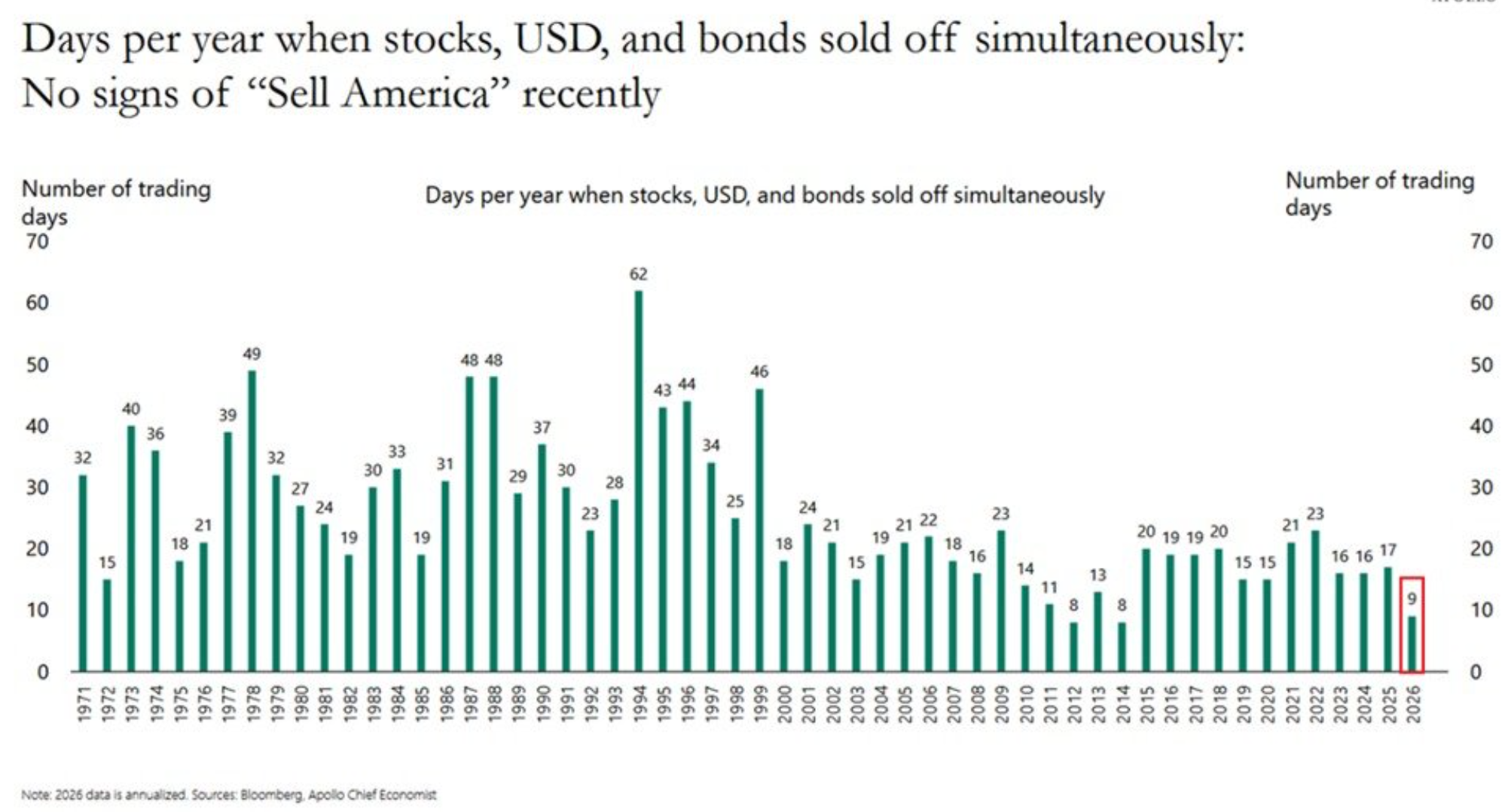
By comparison, the 1990s averaged 30 to 60 such days per year, peaking at 62 in 1994. Foreign holdings of US equities have also reached an all-time high near $21 trillion.
The data suggests global capital continues to treat the US as a safe destination despite rising tensions elsewhere.
Iran Shuts Down the Strait of Hormuz Again
Iran’s semi-official Tasnim News Agency, linked to the Islamic Revolutionary Guard Corps, declared the Strait of Hormuz closed until further notice.
The agency cited a recent attack and ongoing US seizures of Iran-linked vessels, including the tanker M/T Tifani.
The strait normally handles roughly 21 million barrels of oil per day, about 20% of the global supply. Its closure has already triggered force majeure declarations and pushed Brent crude back toward $95 per barrel.
Tehran says the ban will remain until it receives guarantees that US maritime restrictions will be lifted.
Failed Talks Raise Stakes for US-China Summit
Meanwhile, the Hormuz re-closure follows collapsed peace talks in Islamabad. After 21 hours of negotiations, Vice President JD Vance said Iran refused to accept US terms on its nuclear program and the strait.
AgResource warned that the diplomatic breakdown could delay the planned mid-May US-China summit.
“Potential breakdown in U.S.–Iran peace talks in Pakistan could delay the mid-May U.S.–China summit…The firm [AgResource] says Chinese soybean exports will soon slow, creating a lull in U.S. trade, though renewed Chinese buying could lift soybean futures further. Soybeans are currently up 0.5% at about $11.88 per bushel,” reported Deaton, citing AgResource.
China relies heavily on Hormuz oil transit and has pushed for regional stability. With the fragile two-week ceasefire set to expire around April 22, markets face a narrow window before tensions could escalate further.
The post Foreign Money Floods US Markets as Iran Shuts Strait of Hormuz Again appeared first on BeInCrypto.
Read moreLatest News