Morph is leaning into stablecoin settlement, starting with USDC and Circle’s CCTP
Stablecoins are starting to be used as a default way to move money digitally, especially for businesses that need fast transfers, clear records, and predictable settlement.
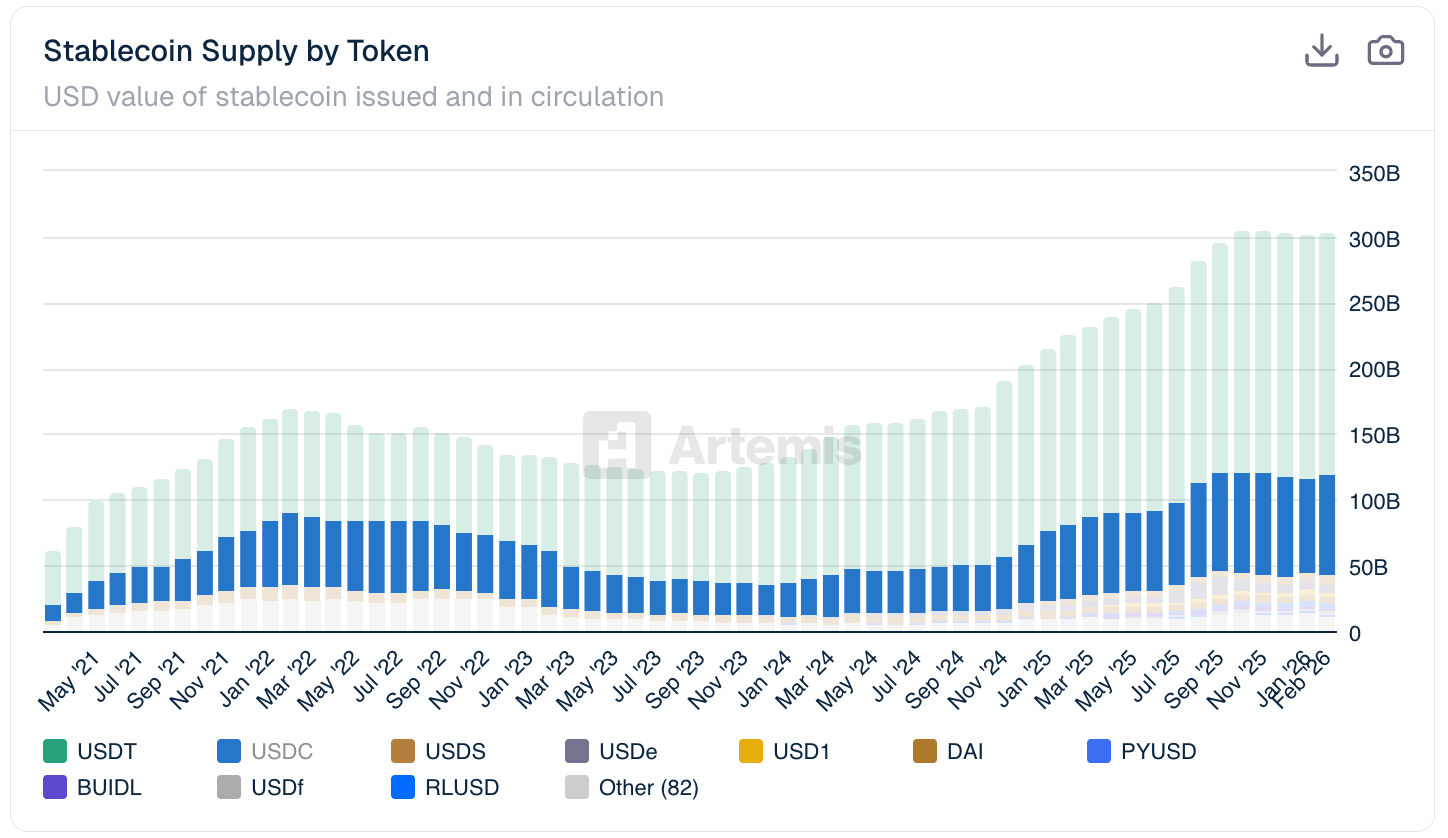
It’s showing up in the numbers too. Circle’s USDC circulation has been climbing sharply, and recent reporting points to reserve-income growth tied directly to that expanding stablecoin footprint.
Morph plans to support USDC on its network, alongside Circle’s Cross-Chain Transfer Protocol (CCTP), which allows USDC to move between chains without using wrapped bridges.
USDC matters more than you think
The hard part for builders is knowing which stablecoin you’re settling with.
USDC is a digital dollar, backed 100% by highly liquid cash and cash-equivalent assets, redeemable 1:1 for U.S. dollars, with reserve transparency tied to the Circle Reserve Fund structure.
In the market today, USDC can exist in multiple forms depending on the network. Some versions are issued by Circle affiliates, while others are bridged representations. This changes both the redemption path and the risk model.
Morph says USDC on its network will be issued directly by Circle’s regulated entities. This means developers and businesses will be using the official version of USDC, not copies created by third-party bridges.
This way, payments become simpler and more reliable, since teams don’t have to worry about different versions of USDC behaving differently or causing settlement issues.
CCTP moves USDC across chains without wrapped tokens
Circle’s Cross-Chain Transfer Protocol (CCTP) moves USDC using a burn-and-mint model, where USDC is burned on the source chain, then minted on the destination chain. Circle uses this as a way to transfer value across supported networks without relying on bridge liquidity pools or issuing wrapped representations.
When the same asset can move between environments while keeping supply integrity and consistent behavior, it becomes easier to build multi-chain funding and settlement flows that don’t break the moment liquidity shifts.
CCTP V2 is now the standard that Circle is aligning its ecosystem around.
What this unlocks for payment products
Teams building stablecoin systems (such as payment gateways settling merchants in dollars and remittance platforms moving money across borders) are usually solving a small set of core problems: funding, settlement, reconciliation, and cross-border transfers.
USDC with standardized cross-chain transfer is a big unlock.
Card and neobank-style experiences
Users often hold assets on multiple chains, but card settlement needs to be predictable. If USDC can move to Morph via CCTP as USDC, developers can separate the source of funds from the network where balances are settled, without relying on wrapped versions of the asset.
Cross-border remittance and payouts
Stablecoins are gaining ground as an alternative to international fiat transfers. USDC is specifically positioned for this use case, supported by partnerships focused on cross-border payments across the broader financial ecosystem.
Payment gateways and merchant settlement
Using a single, consistent version of USDC, along with a standard way to move it between blockchains, makes it easier for payment gateways to track and reconcile transactions.
DeFi and trading
Even ecosystems focused on payments still need liquidity and assets that can be used as collateral. USDC tends to behave more predictably across lending, DEX routing, and liquidity management, especially when cross-chain movement doesn’t depend on wrapped tokens.
Morph is pairing the infrastructure with an ecosystem push
Morph has also launched a $150 million Payment Accelerator, centered around funding, technical support, and distribution help for teams building high-volume payment systems on-chain.
The network has consistently been payments-led. Compliance tooling and monitoring vendors are already treating it as a chain worth supporting, and some ecosystem communications emphasize its distribution access via Bitget and Bitget Wallet user bases.
The combination of a reliable settlement asset, a standard way to move it across chains, and support for payment-focused companies points to stablecoins becoming a default method for digital payment settlement, with networks built for this use case likely to handle increasing transaction volume.
The age of the stablecoin
Stablecoins have reached a maturity point where the differentiator is becoming execution: asset provenance, redemption assurance, and consistent standards for moving value across chains.
Circle’s recent momentum supports this, reflected in USDC’s circulation growth and its parallel push toward more regulated, institution-oriented infrastructure.
Morph’s integration of USDC and Circle’s Cross-Chain Transfer Protocol (CCTP) should be understood in those terms. The objective is to make dollar settlement behave like infrastructure that’s dependable, repeatable, and straightforward to embed into products.
The post Morph is leaning into stablecoin settlement, starting with USDC and Circle’s CCTP appeared first on BeInCrypto.
Read moreLatest News