How Would a Hormuz Toll Affect Oil Prices?
Oil prices tumbled to two-month lows after the US and Iran reached a peace deal to reopen the Strait of Hormuz. Yet beneath the relief, traders are quietly positioning for a rebound.
The reason is a catch buried in the deal. Iran plans to charge a toll after a 60-day grace period, a cost the market may already be pricing into the months ahead.
An Iran Deal That Adds a Toll to a Fifth of Global Oil
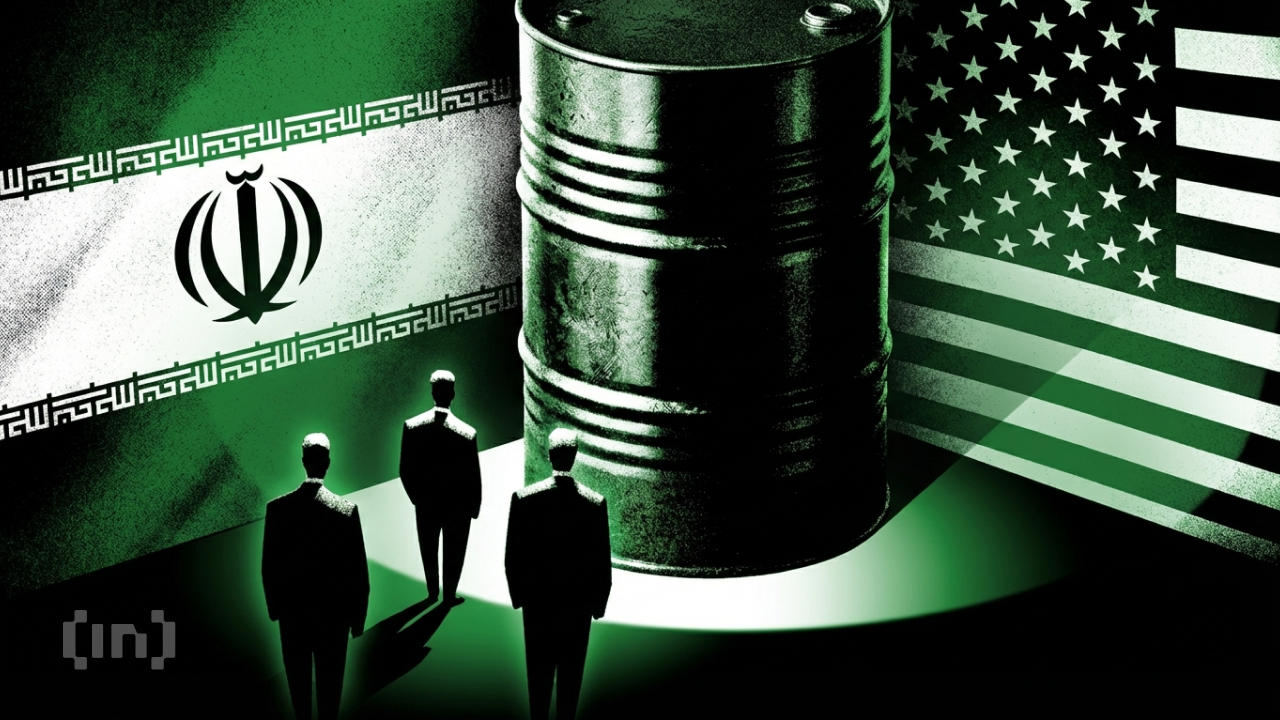
The deal reopens the Strait of Hormuz, the waterway that carried roughly one-fifth of global oil before the war shut it. Before the conflict, ships paid nothing to pass.
Want more insights like this? Sign up for Editor Harsh Notariya’s Daily Newsletter here.
Iran now says it will collect “service fees” once a 60-day toll-free window ends. President Trump calls the reopening permanently toll-free, while Vice President JD Vance and Iran point to fees after the 60 days.
Markets took the truce as relief. Brent crude oil price fell about 5% to near $83, and WTI crude oil price slid to under $80, both at multi-month lows.
That drop reflects near-term supply relief. The futures curve tells a more cautious story.
The Curve Cooled, but Positioning Turned Bullish
During the war, the backwardation in Brent went extreme. Backwardation means the front-month contract trades above the later-month contracts, a sign of near-term scarcity.
The spread between the first and second Brent contracts hit about $10.27 in April. It has since collapsed to roughly $0.67, so the market sees the immediate shortage easing. Still, the spread stays positive.
Brent shows mild backwardation rather than flipping into contango, where later months trade above the front. The near-term squeeze has cooled, but the market is not yet pricing a glut.

Positioning leans the other way. In the latest Commitments of Traders report, a weekly CFTC snapshot of who holds futures, speculators cut short bets by about 9,300 contracts by June 9.

Options say the same. On the United States Brent Oil Fund (BNO), the put-call ratio sat near 0.08, meaning calls vastly outnumbered puts. Call buying continued to grow, with the ratio dropping to 0.06 as the toll news broke.

So the curve has priced the reopening, while traders bet on what comes after. The size of that bet depends on the toll.

BRN2 is only about a month further out, and the front contract still trades above it, so the curve has calmed without turning bearish. That leaves room for the toll to retighten it, which aligns with the bullish positioning.
What a Hormuz Toll Could Do to Oil Prices
Here is the math. Before the war, Brent traded near $70 with zero transit cost. The Strait moves about 7.6 billion barrels of oil a year.
A toll of $0.50, $1, or $2 per barrel would hand Iran roughly $3.8 billion, $7.6 billion, or $15.2 billion a year. The $1 level is not hypothetical. During the conflict, an informal $1-per-barrel fee was being levied. Tolls of up to $2 million per voyage were reported.
The direct cost is small and mostly absorbed by producers at first. The bigger lever is the risk premium, the extra price markets pay for supply uncertainty.
That premium bites harder now because the cushion is thin. The US Strategic Petroleum Reserve, the national emergency stockpile, just hit a 43-year low.

From a normalized reopening near $80, analysts estimate a smooth toll could add $2 to $6, while a messy one could add $10 or more. That points to Brent in the high $80s to mid $90s, with a path back above $100 if the reopening turns disorderly.
To be clear, the $1 toll, or even $2, does not push Brent to $100. That tail runs through disruption, not the fee. A contested rollout that chokes traffic again would revive the war-era risk premium. That fear, not the charge, sent Brent above $100 during the conflict.
Expert and market signals line up with that risk.
Oil Prices, Forecasts, and the Bets Point the Same Way
Industry leaders have flagged the upside. Executives at Chevron and ExxonMobil warned the physical Brent oil price could spike toward $150 to $160 if inventories keep draining.
The US Energy Information Administration (EIA) expects Brent to average about $105 in June and July before easing later. Goldman Sachs trimmed forecasts on the deal but warned of renewed volatility if Hormuz does not reopen cleanly.
Prediction markets agree at the margin. On Polymarket, bettors put the odds of crude hitting a record at roughly 16% by December 31, still the most-backed window even after the deal cooled the odds.

For now, oil prices sit near two-month lows: Brent around $83 and WTI near $80. The next CFTC positioning report, the first to capture the toll news, will show whether the bullish lean held.
A clean, toll-free reopening would let oil prices keep easing toward the EIA’s high $70s path. A contested service-fee regime after 60 days would re-tighten the market and push it back toward the high $80s and beyond.
The post How Would a Hormuz Toll Affect Oil Prices? appeared first on BeInCrypto.
Read moreLatest News