Grayscale Named Its Decentralized AI Pick — and Anthropic’s the Reason
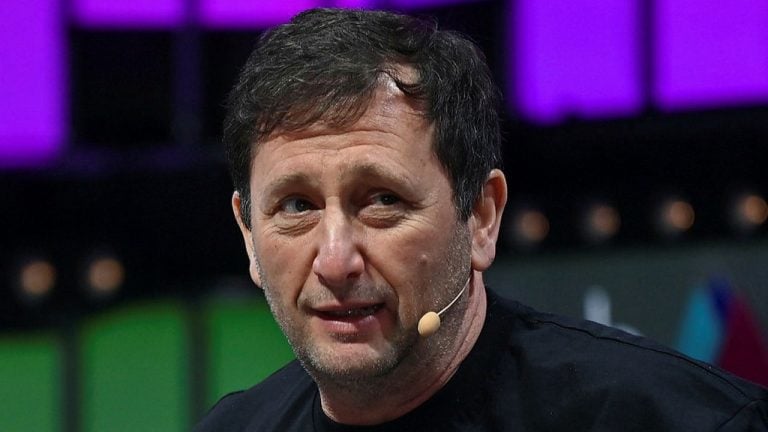
Zach Pandl, Head of Research at Grayscale, highlighted decentralized AI as a major opportunity amid Anthropic’s mounting challenges, with Bittensor (TAO) emerging as the protagonist of his report. The altcoin has already surged nearly 30% in the last five days.
Bittensor’s distributed architecture positions it as a structurally resilient alternative as investors reconsider exposure to centralized AI providers globally.
Why Grayscale Sees Bittensor as the Winner
Decentralized AI is a category of blockchain-based projects that distribute training, inference, and model ownership across global networks rather than relying on centralized providers. Pandl recently positioned this segment as a structural opportunity amid the volatility hitting centralized players.
Bittensor (TAO) takes center stage in Pandl’s framing. The protocol uses a network of subnets where contributors train and share AI models, with the TAO token rewarding the most useful work. The Grayscale Head of Research highlighted this design as resistant to the regulatory shocks hitting centralized AI.
The market response has been immediate. The TAO token surged nearly 30% in a short window, fueled by the combination of Pandl’s coverage and Anthropic’s challenges. Furthermore, the move pushed Bittensor back into the top decentralized AI conversations across the entire industry.
Follow us on X to get the latest news as it happens

Pandl’s argument is straightforward. Centralized AI providers face concentrated regulatory and operational risks, as a single government directive or lawsuit can disrupt services globally. Decentralized networks, by contrast, distribute that risk across thousands of independent participants worldwide.
“Bittensor offers an alternative vision for AI based on decentralized principles. It aims to provide permissionless access to AI resources through an open, global, decentralized network. Think of it as Bitcoin for AI: What Bitcoin did for digital money, Bittensor hopes to do for AI,” Pandl said in a recent blog post.
Bittensor also benefits from a unique structural design. Its subnets compete to provide value across machine learning, agents, and inference, creating a marketplace where token incentives directly align with model quality. As a result, the network grows without relying on a central authority.
For investors, the Pandl spotlight matters. It signals institutional acknowledgment that decentralized AI could become a key narrative in the next cycle, particularly as centralized incumbents continue facing regulatory, legal, and operational pressure across major global markets.
What Anthropic’s Challenges Mean for the Sector
Anthropic faces two major problems at once. The United States government issued an export control directive suspending all access to its Fable 5 and Mythos 5 models for foreign nationals, forcing Anthropic to disable the models for every customer worldwide.
The directive cites national security concerns linked to a potential narrow jailbreak technique. Anthropic publicly disagrees with the order, arguing that the vulnerability is minor and already accessible in other publicly available frontier AI models without requiring any bypass.
On top of the export ban, Anthropic also faces a class action lawsuit over usage limits across its commercial Claude products. Plaintiffs argue the company restricted access in ways that affected paying customers, intensifying legal and reputational pressure on the company.
The combination is brutal. Anthropic is one of the most respected names in centralized AI, yet within days, it has lost the ability to serve key models internationally while defending itself against a major legal challenge in the United States federal court system.
For decentralized AI, the moment is opportunistic. Investors and developers are now reconsidering exposure to centralized models that can be disabled by a single government order. Bittensor, with its distributed architecture, suddenly looks like a strategically resilient alternative across the entire sector.
Pandl’s report lands precisely at this inflection point. The Grayscale Head of Research believes regulatory pressure on centralized AI is structural, not temporary, and decentralized networks could capture growing capital flows as the broader industry reshapes around new compliance realities.
The post Grayscale Named Its Decentralized AI Pick — and Anthropic’s the Reason appeared first on BeInCrypto.
Read moreLatest News