Brazil’s Tokenization Push Accelerates With $2 Billion Credit Plan
In July, Brazil’s Securities and Exchange Commission, the CVM, created a dedicated Tokenization Working Group to study the registration, custody, trading, and settlement of securities using distributed ledger technology.
The group has also been tasked with proposing an experimental regulatory regime for tokenized securities, placing tokenization directly within the regulator’s agenda for the modernization of Brazil’s capital markets.
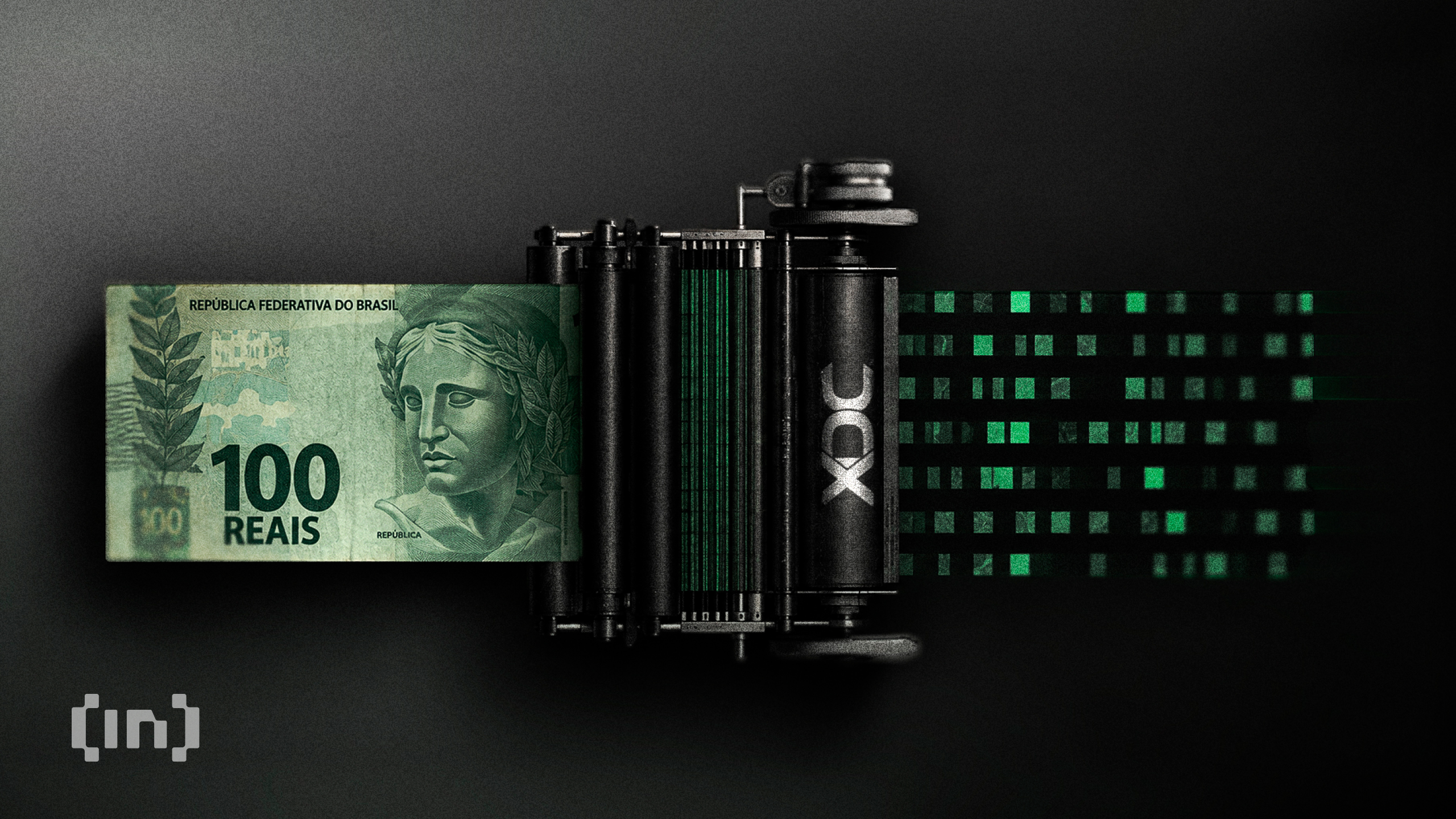
Meanwhile, Brazilian tokenization platform Liqi Digital Assets and XDC Network have renewed their partnership for another two years and raised the total targeted issuance from $500 million to $2 billion through 2028.
The new agreement consists of the original $500 million, which the companies say has already been completed, alongside a further $1.5 billion in planned issuance.
Liqi Reached Its Original $500 Million Target Nine Months Early
The expansion follows faster-than-expected issuance under the companies’ first agreement.
Liqi and XDC initially signed their partnership in April 2025, setting a target of up to $500 million in real-world assets over 24 months. According to the companies, that target was reached in roughly 15 months, nine months ahead of schedule.
This makes Liqi the largest issuer of yield-bearing assets on XDC, according to the company. The company says approximately $835 million has now been tokenized across 386 series and 60 asset pools, supported by 378 smart contracts deployed on XDC mainnet.
Daniel Coquieri, CEO and co-founder of Liqi Digital Assets, said the original target was set at a time when institutional demand was harder to gauge.
“We signed the first agreement with a target that looked aggressive: half a billion dollars in two years. We delivered in fifteen months, because Brazil’s structured credit market was already there – what was missing was the infrastructure. We tripled the commitment because demand tripled. What we are building is not a blockchain pilot: it is the rail that regulated banks and originators run credit through, with auditable collateral and on-chain settlement.”
Under the renewed agreement, XDC will remain Liqi’s exclusive blockchain for RWA issuance. The companies intend to expand into additional forms of structured credit, trade finance and receivables generated by larger originators.
Tokenized Credit Is a Growing Part of the RWA Market
The credit focus is key because the RWA market is expanding beyond the tokenized US Treasury products that drove much of its earlier institutional growth.
RWA.xyz currently tracks $7.82 billion of distributed tokenized credit and another $37.73 billion of represented credit assets across more than 2,500 assets. The category includes corporate credit, structured credit, specialty finance and other forms of non-sovereign debt.

Liqi’s activity sits within this part of the market. According to the company, assets already issued on XDC include trade receivables, payroll-deductible loans, debentures, corporate credit and Brazilian receivables certificates. Issuances have involved institutions including Itaú BBA, Banco BV, Banco ABC Brasil and Creditas.
Diego Consimo, Head of LATAM at XDC Network, said:
“These are structured credit operations, originated within the regulated financial market, that now use blockchain as an effective part of their infrastructure.”
For XDC, securing additional issuance also strengthens its exposure to the RWA sector at a time when competition between blockchains for tokenized assets is growing.
Ethereum currently leads distributed RWA value with around $17.6 billion, followed by BNB Chain, Solana and Stellar, according to RWA.xyz.
Brazil Brings Tokenization Into Capital Markets
Brazilian regulators are also increasing their focus on how tokenized assets should operate within the existing financial system.
The CVM’s new working group includes representatives from 14 areas of the regulator and has already begun discussions with organizations including ANBIMA, ABCripto, ABToken and other capital-market participants. Its mandate includes examining custody, registration, trading and settlement using DLT systems.
Brazil’s Central Bank has separately explored tokenized finance through Drex, a DLT-based environment designed for regulated financial intermediaries and programmable financial services.
Commercial issuance and regulatory development are therefore beginning to come together. Credit instruments can already be created and settled through blockchain systems, while regulators are working through how those systems should interact with established securities-market rules.
The Liqi-XDC agreement offers an indication of the volumes that could follow if institutional adoption continues. However, the $2 billion commitment remains a forward target rather than completed issuance, with $1.5 billion still scheduled to be brought on-chain during the next two years.
For Brazil’s tokenization market, reaching that target would show that tokenized credit can progress from comparatively small deployments into repeat issuance involving regulated banks, originators and established financial instruments.
The post Brazil’s Tokenization Push Accelerates With $2 Billion Credit Plan appeared first on BeInCrypto.
Read moreLatest News