3 Things to Know About Kevin Warsh, the New Fed Chair
Kevin Warsh was sworn in as the 17th Chair of the Federal Reserve on May 22. With this, he effectively replaced Jerome Powell after a narrow Senate vote and inherited sticky inflation, a $6.7 trillion balance sheet, and an increasingly Fed-sensitive crypto market.
His record as a former Fed governor, Bush-era policy adviser, and Wall Street financier points to a more hawkish, less interventionist Fed. Markets are pricing the shift in real time, and crypto traders are watching closely.
1. Hawkish on Inflation With a Smaller Balance Sheet in Mind
Warsh has long argued the post-2008 Fed grew too large and too active. He resigned in 2011 over additional quantitative easing and has spent the years since calling for scarcer reserves, a leaner balance sheet, and tighter discipline on inflation.
That framework now meets the moment. The federal funds target sits at 3.50 to 3.75%, headline inflation climbed to 3.3% in March on an Iran-driven oil shock, and the March dot plot pencils in just one cut for 2026.

At his Senate confirmation hearing, Warsh framed the central bank’s delayed inflation response as structural rather than a one-off mistake.
“Once you let inflation take hold in the economy, it is more expensive and harder to bring it down, and so the fatal policy error going back four or five years is still a legacy that we are dealing with… we need a regime change in the conduct of policy.”
Traders read that as a signal for faster quantitative tightening (QT) over near-term rate cuts.
Follow us on X to get the latest news as it happens
2. A Friendlier Take on Bitcoin Than His Predecessor
Warsh enters the role with the most openly pro-crypto record of any sitting Fed Chair. Trump’s Fed Chair pick has called Bitcoin a “sustainable store of value,” ruled out a retail central bank digital currency, and described crypto as already part of the United States financial system.
His crypto financial disclosure lists over $100 million in digital asset exposure, spanning Layer 1 networks, Decentralized Finance (DeFi) protocols, and Bitcoin (BTC) payment infrastructure.
The combination produces a paradox for traders. A hawk on rates is bearish for risk in the short term. However a Chair who views Bitcoin as a credible reserve asset reframes the longer-run case during every liquidity squeeze.
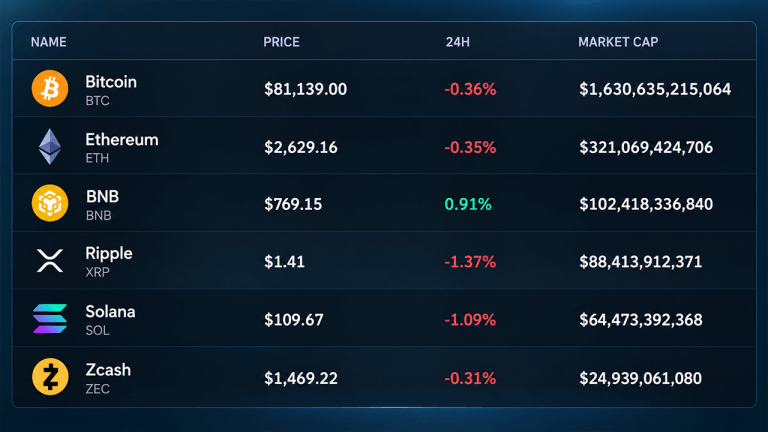
BTC has retreated from its January peak as the dot plot hardened, with traders caught between hawkish Fed policy and friendlier crypto signals from the top.

3. A Regime Change in How the Fed Talks to Markets
Warsh has telegraphed sweeping changes to how the Fed speaks to investors. He wants to:
- Scrap the post-meeting press conference cadence
- Retire forward guidance as a tool, and
- Adopt what he calls a “different, new inflation framework.”
Subscribe to our YouTube channel to watch leaders and journalists provide expert insights
The implication is a more opaque Fed. Investors who built positions around dot plots and well-trailed pivots will face a Chair who prefers silence and discretion over telegraphed signals.
That style may raise near-term volatility, yet in Warsh’s framing it restores credibility lost during the transitory inflation period.
His pledge during the Powell-to-Warsh handoff was to behave as no one’s “sock puppet,” a direct response to Trump’s pressure for rate cuts.
The first real test arrives at the next FOMC meeting, Warsh’s first as Chair.
Kevin Warsh being able to deliver regime change or careful continuity will set the tone for rates, the dollar, and crypto through the rest of 2026.
The post 3 Things to Know About Kevin Warsh, the New Fed Chair appeared first on BeInCrypto.
Read moreLatest News